Blog
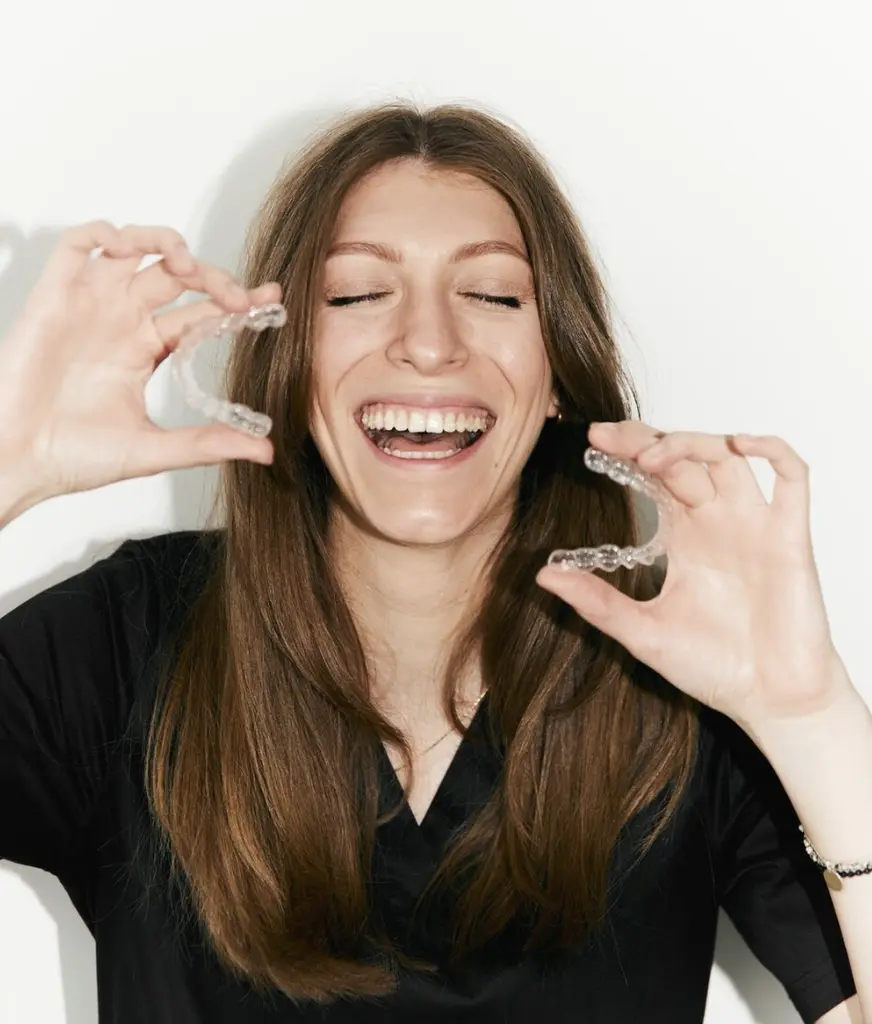
Marzysz o pięknym uśmiechu? Uśmiechnij się do życia z Invisalign!
Medycyna estetyczna 12 marca, 2022
Have you noticed a clear seasonal pattern in how you feel? Does your mental health plummet with the start of autumn and winter? You may be suffering from a seasonal mood disorder.
What is seasonal affective disorder?
The term seasonal affective disorder (SAD) refers to a mood disorder, the onset of which, as well as its remission, occur at roughly the same time each year. Most commonly, seasonal affective disorder is associated with depression which develops in autumn or winter, and eases off in the spring or summer season. It is estimated that around 6% of the UK population is at risk of suffering from SAD, and a further 20% is affected by a milder form of seasonal mood disorder known as the winter blues. As a type of major depressive disorder, seasonal affective disorder can present with a range of symptoms, which, when ignored, can lead to feelings of hopelessness and difficulty coping with everyday activities.

What are the symptoms of seasonal affective disorder?
The term seasonal affective disorder (SAD) refers to a mood disorder, the onset of which, as well as its remission, occur at roughly the same time each year. Most commonly, seasonal affective disorder is associated with depression which develops in autumn or winter, and eases off in the spring or summer season. It is estimated that around 6% of the UK population is at risk of suffering from SAD, and a further 20% is affected by a milder form of seasonal mood disorder known as the winter blues. As a type of major depressive disorder, seasonal affective disorder can present with a range of symptoms, which, when ignored, can lead to feelings of hopelessness and difficulty coping with everyday activities.
What is the best treatment for seasonal affective disorder?
The term seasonal affective disorder (SAD) refers to a mood disorder, the onset of which, as well as its remission, occur at roughly the same time each year. Most commonly, seasonal affective disorder is associated with depression which develops in autumn or winter, and eases off in the spring or summer season. It is estimated that around 6% of the UK population is at risk of suffering from SAD, and a further 20% is affected by a milder form of seasonal mood disorder known as the winter blues. As a type of major depressive disorder, seasonal affective disorder can present with a range of symptoms, which, when ignored, can lead to feelings of hopelessness and difficulty coping with everyday activities.

When and how should I use bright light therapy for SAD and winter blues?
The term seasonal affective disorder (SAD) refers to a mood disorder, the onset of which, as well as its remission, occur at roughly the same time each year. Most commonly, seasonal affective disorder is associated with depression which develops in autumn or winter, and eases off in the spring or summer season. It is estimated that around 6% of the UK population is at risk of suffering from SAD, and a further 20% is affected by a milder form of seasonal mood disorder known as the winter blues. As a type of major depressive disorder, seasonal affective disorder can present with a range of symptoms, which, when ignored, can lead to feelings of hopelessness and difficulty coping with everyday activities.

References
- Management of seasonal affective disorder. Drug Ther Bull. 2009.
- Rosen LN et al. Prevalence of seasonal affective disorder at four latitudes. Psychiatry Res. 1990.